Moving Apparel from Asian Factories to North American Stores

Apparel is one of the most heavily dutied product categories in Canada and the United States, so a classification error or a missed origin claim shows up directly in your margin. Our team in China and our licensed customs brokers in Canada and the U.S. manage each order from the factory to your distribution centre.

Fashion & Apparel

Apparel Was One of Our First Industries

Industry Challenges

Where Apparel Imports Go Wrong

Peak-Season Capacity

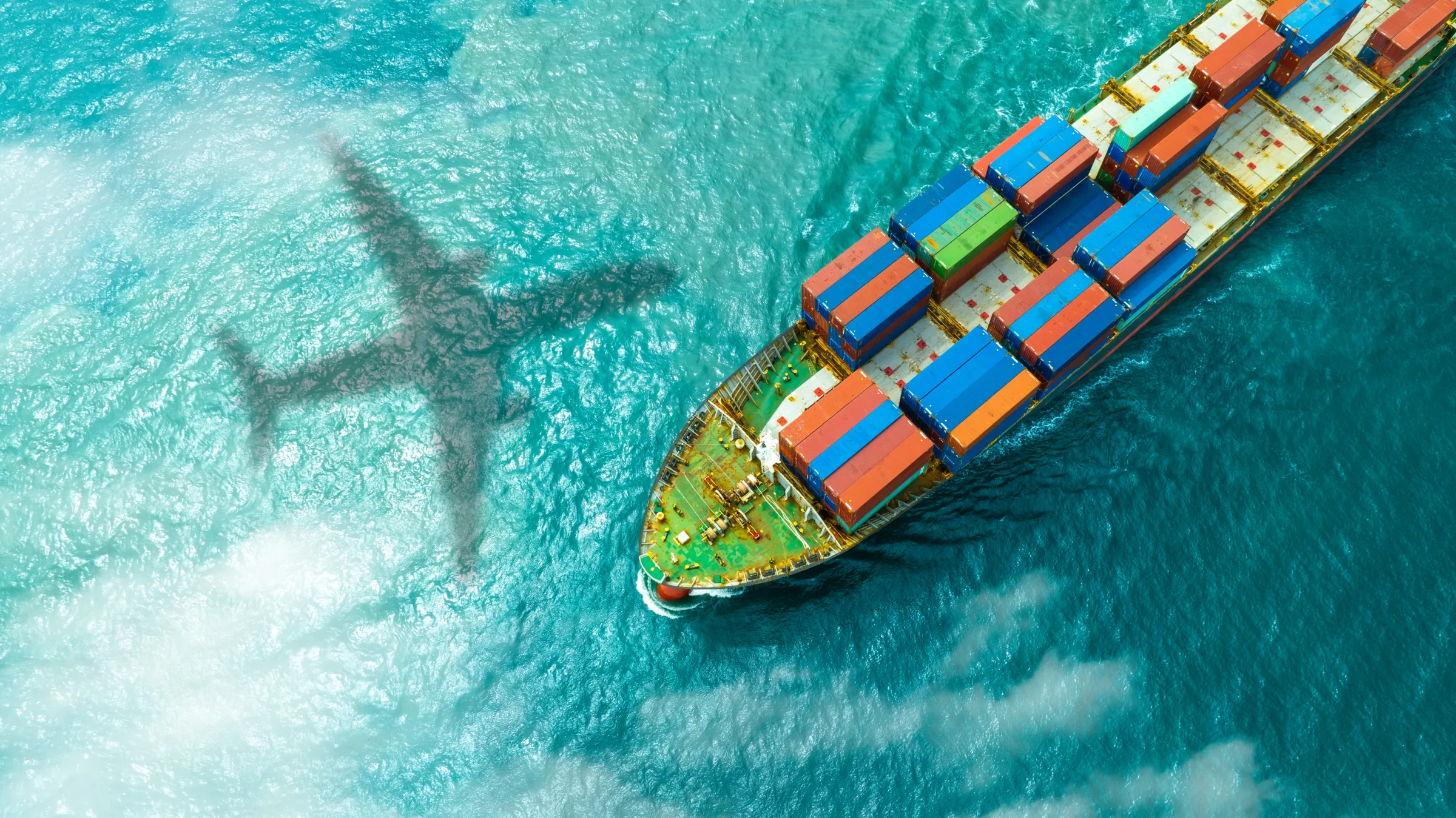
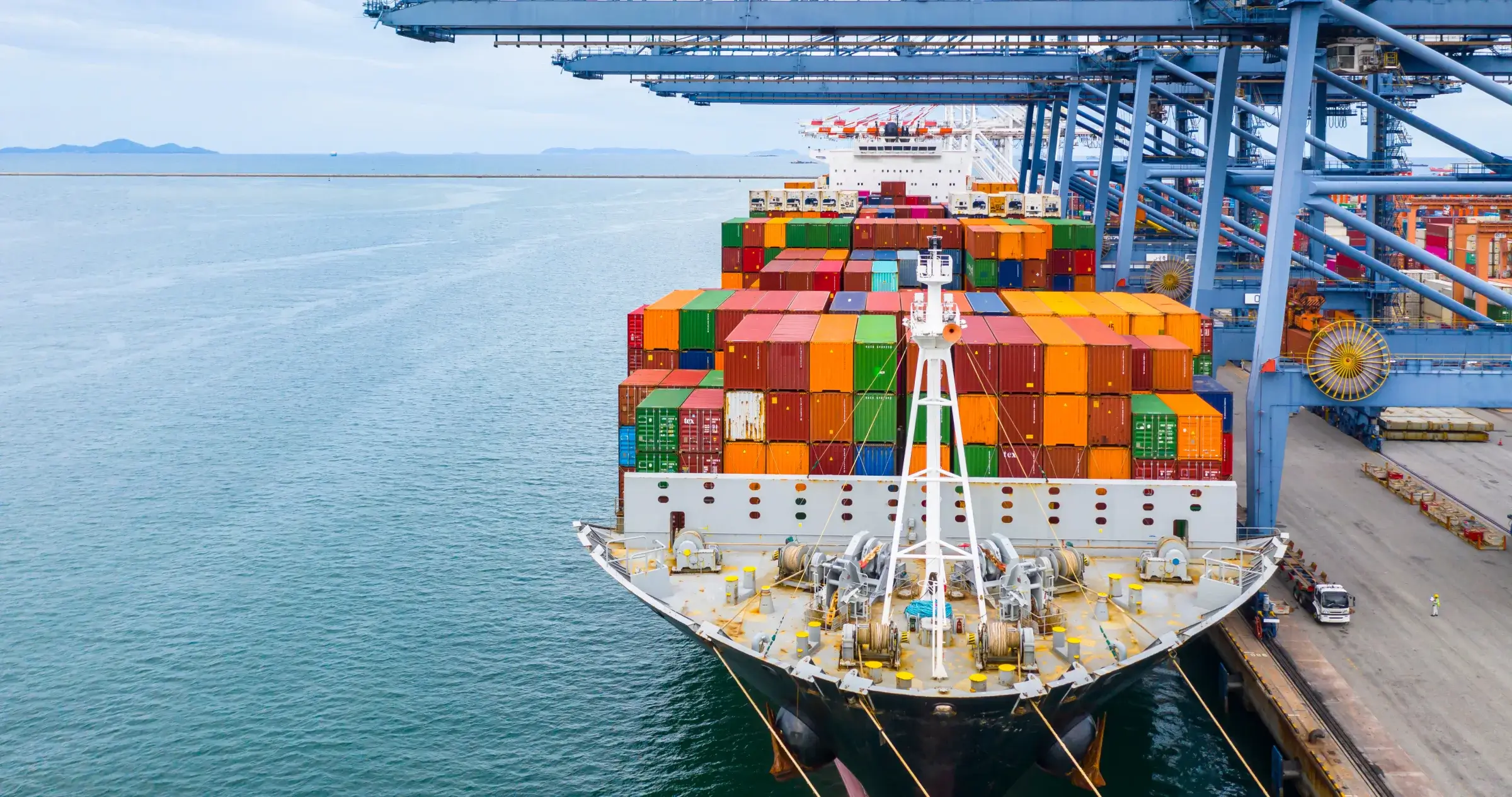
Vessel space and air capacity from Asia tighten before back-to-school and holiday seasons. Booking early and consolidating several suppliers’ cargo helps protect launch dates when carriers are full.

Knit, Woven and Fibre Content

Garments are classified differently depending on whether they are knitted or woven, which fibre predominates and how they are made. A vague invoice description can lead to the wrong tariff item and a reassessment later.

High Duty Rates

Apparel duty rates are among the highest in the Canadian and U.S. tariffs. Valuation, origin and trade agreement eligibility therefore have a large effect on landed cost and on the price you can offer.

Labelling and Forced Labour Rules

Canada’s Textile Labelling Act requires fibre content in English and French and a dealer identity on consumer textile labels. Shipments to the U.S. with cotton or other inputs linked to the Xinjiang region of China may also need supply chain records under the Uyghur Forced Labor Prevention Act.

What We Do for Apparel Importers

Offices in China, Brokers in North America

Send us next season’s styles, origins and volumes for a duty and freight quote.

Customs Brokerage & Compliance

Textile Rules That Affect Your Landed Cost

Style-by-Style Tariff Items

We classify each style by fibre, construction and garment type, and keep a record so repeat styles are entered the same way every season. Where a ruling would remove doubt, we can request an advance ruling from the CBSA or a binding ruling from CBP.

Origin and Duty Recovery

We check whether CUSMA or another agreement applies, keeping in mind that textile rules of origin are strict. Our FOB deduction program can also reduce duty on qualifying overseas charges, and we pursue refunds when duty has been overpaid.

Labels and Supply Chain Records

We confirm that labels show bilingual fibre content and a dealer identity, and help you assemble the supplier records that U.S. and Canadian forced labour rules may require.

Global Reach

From Shanghai and Shenzhen to Your Stores
Canada
Our customs brokers clear apparel at major Canadian ports and airports, then trucks and couriers take it to distribution centres, stores and online customers. Labels and product details are checked against Canadian rules before release.
United States
Metro Customs Brokers, our U.S. subsidiary, files U.S. apparel entries. When 27 shipments of a client's clothing were refused U.S. entry under a Withhold Release Order because the cotton's source farms could not be documented, our team moved the goods in bond to Canada, where they were cleared and delivered.
Asia
Our China team books freight, checks documents and consolidates cargo from several suppliers. When a fashion brand faced production delays, our teams in China and North America moved 250 cubic metres of goods from Shenzhen to Los Angeles within seven days, arriving one day ahead of schedule.
Global Network
Factories in other sourcing countries ship through our international partners, who collect the goods, prepare export documents and hand them over for the ocean or air leg to North America.

Other Industries

Other Sectors We Serve

Freight Solutions

How Apparel Clients Use Our Services

Contact Our Team