The Paperwork Behind Every Chemical Shipment

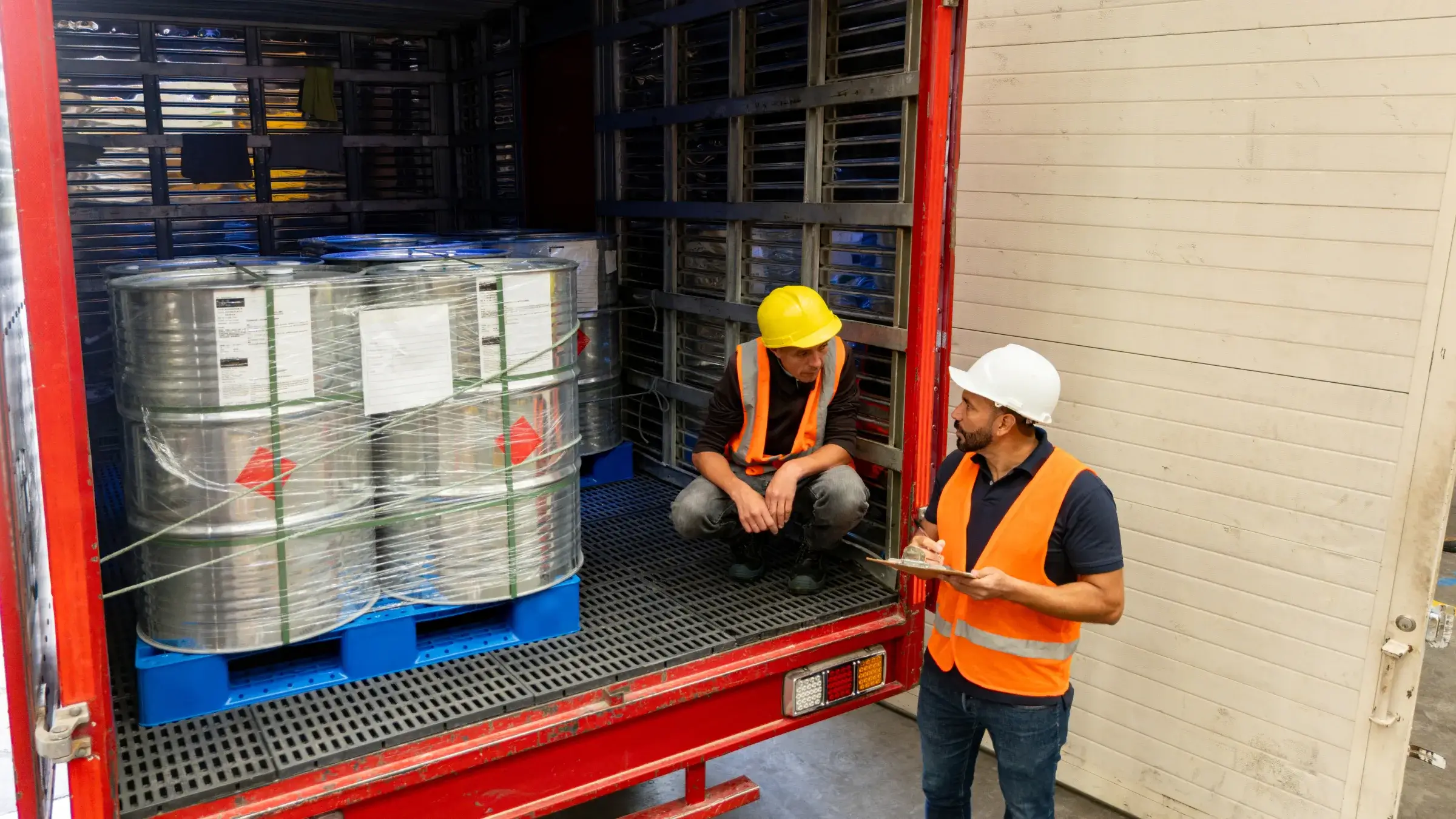
Chemical products are regulated long before they reach the border. Classification depends on composition, carriers need correct dangerous goods documents, and agencies other than the CBSA or CBP may require permits or certifications before release. Omnitrans helps chemical importers and exporters prepare this paperwork, book carriers that accept the product and keep each entry consistent with the safety data sheet.

Chemicals

Several Filings for One Load

Industry Challenges

Regulated Before It Ships

Dangerous Goods Classification

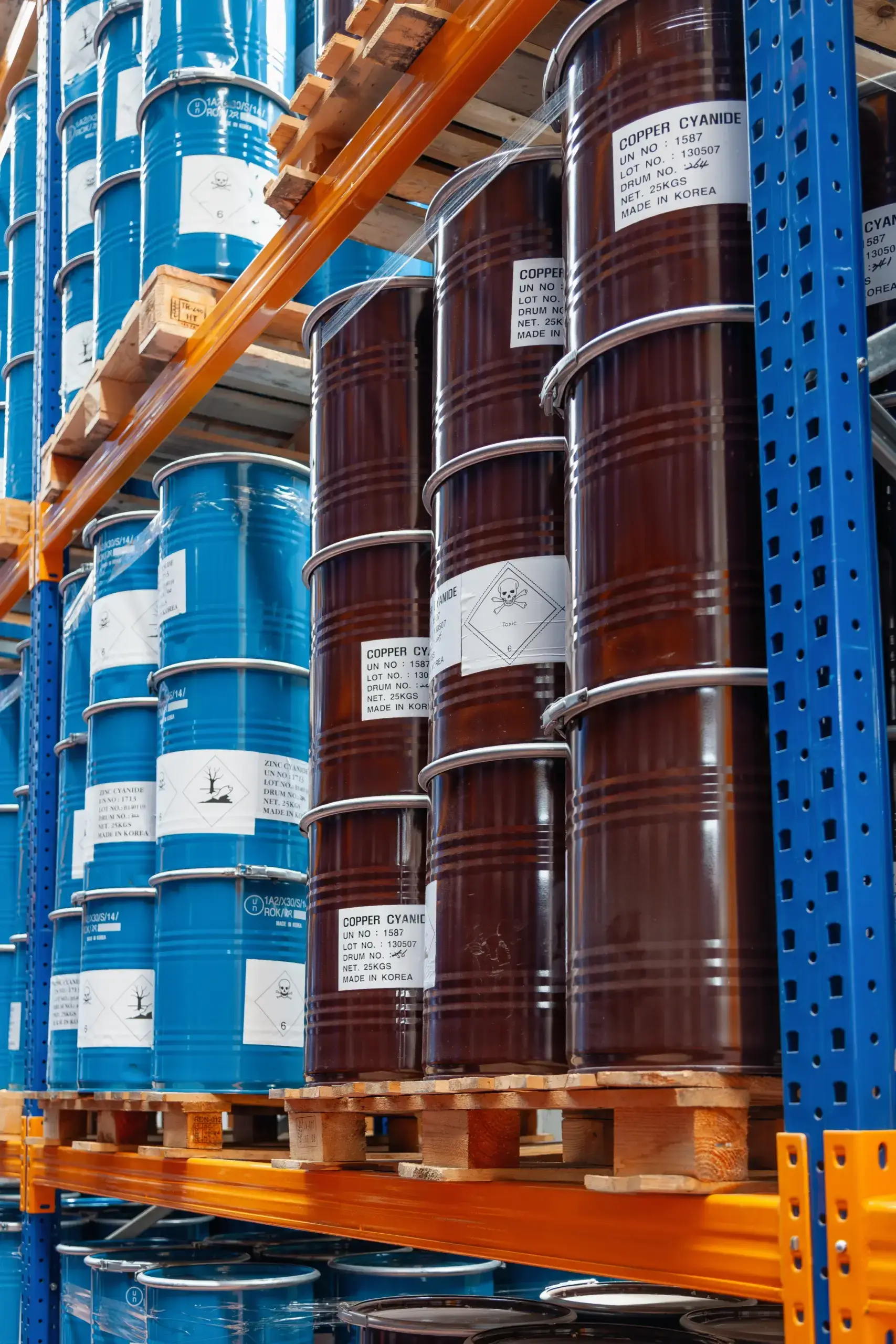
Many chemicals are regulated as dangerous goods. The UN number, class and packing group on the safety data sheet determine packaging, labels and which carriers can accept the load, under Canadian TDG rules, U.S. hazardous materials rules and international air and ocean codes.

Composition-Based Classification

Tariff classification for chemicals depends on composition, purity and form. Mixtures, solutions and single compounds are often classified differently, and an error can change both the duty owed and the import requirements.

Permits and Agency Filings

Some products need clearance from other government departments as well. In the U.S., importers of chemical substances must certify that the shipment complies with the Toxic Substances Control Act (TSCA) or is not subject to it. In Canada, new substances may require notification under the Canadian Environmental Protection Act, 1999.

Handling and Environmental Requirements

Temperature limits, segregation from incompatible goods and spill response information all affect how a chemical is moved. Carriers and warehouses need this information before pickup, not at the dock.

Support for Chemical Shippers

Documents First, Then Freight

Send us the safety data sheet and lane details for a quote on customs brokerage and freight.

Customs Brokerage & Compliance

What the CBSA, CBP and Other Agencies Expect

Composition and Form

A chemical’s tariff item follows from its composition, purity and physical form. Our brokers work from the safety data sheet and technical data, and keep classifications consistent across product lines.

Duty on Re-Exported Chemicals

Chemicals are often imported in volume, then blended or re-exported. We review drawback, deferral and relief options so duty paid on goods that leave the country again can be recovered.

Other Government Requirements

We identify which permits, notifications or certifications apply in Canada and the U.S. and help you prepare them before the goods ship, so the entry can be released without a hold.

Global Reach

Chemical Trade Lanes We Support
Canada
Chemical shipments within and into Canada must meet Transportation of Dangerous Goods requirements. We arrange compliant carriers and file customs entries, with permit and notification details confirmed before the goods arrive.
United States
U.S. imports of chemical substances need a TSCA positive or negative certification, and hazardous materials move under U.S. Department of Transportation rules. On the U.S. side, Metro Customs Brokers prepares the entry and our ground team books cross-border carriers qualified for hazmat.
Asia
Asian producers supply many base and specialty chemicals. Our China offices work with suppliers on dangerous goods declarations and bookings, so the shipment is accepted by the ocean or air carrier the first time.
Global Network
Our partner network supports chemical shipments from Europe and other origins, with export documents and carrier bookings prepared to the same standard as our North American moves.

Other Industries

See How Other Industries Ship

Freight Solutions

What Chemical Shippers Use Us For

Contact Our Team